Effective: October 21, 2025
1. Data controller's data
Name of data controller: Iterion Informatika Kft.
Registered office: 7621 Pécs, Nagyflórián utca 6.
E-mail: machlik.mihaly@iterion.hu; soos.arpad@iterion.hu
Website: https://iterion.hu
Representatives: Mihály Machlik, CEO, Árpád Soós, CEO
2. Purpose and legal basis of data processing
Iterion Informatika Kft. processes personal data through its website exclusively for the following purposes:
Contact and request for quotation: name, e-mail address, telephone number, content of the message - legal basis: voluntary consent of the data subject.
Customer communication, feedback: name, email address – legal basis: legitimate interest in maintaining customer relationships.
3. Duration of data processing
The data will be retained for a maximum of 1 year from the date of contact, or deleted earlier at the request of the data subject.
4. Data transfer and data processors
Iterion Informatika Kft. does not transfer data to third parties for marketing purposes.
Data processor: Iterion Informatika Kft., 7621 Pécs, Nagyflórián utca 6., https://iterion.hu
5. Managing cookies
This website uses cookies to improve your experience and collect statistical data. Visitors can change or delete the use of cookies in their browser at any time.
6. Rights of data subjects
The data subject may request access to, rectification, erasure, restriction of, objection to, or portability of their data.
Contact: machlik.mihaly@iterion.hu or soos.arpad@iterion.hu
7. Right to complain
National Data Protection and Freedom of Information Authority (NAIH)
Address: 1055 Budapest, Falk Miksa utca 9–11.
Postal address: 1363 Budapest, P.O. Box 9.
Web: https://www.naih.hu
8. Amendment of the data processing information
Iterion Informatika Kft. reserves the right to modify the information at any time in the event of changes in legislation or operational changes. The updated version will be published on the website.



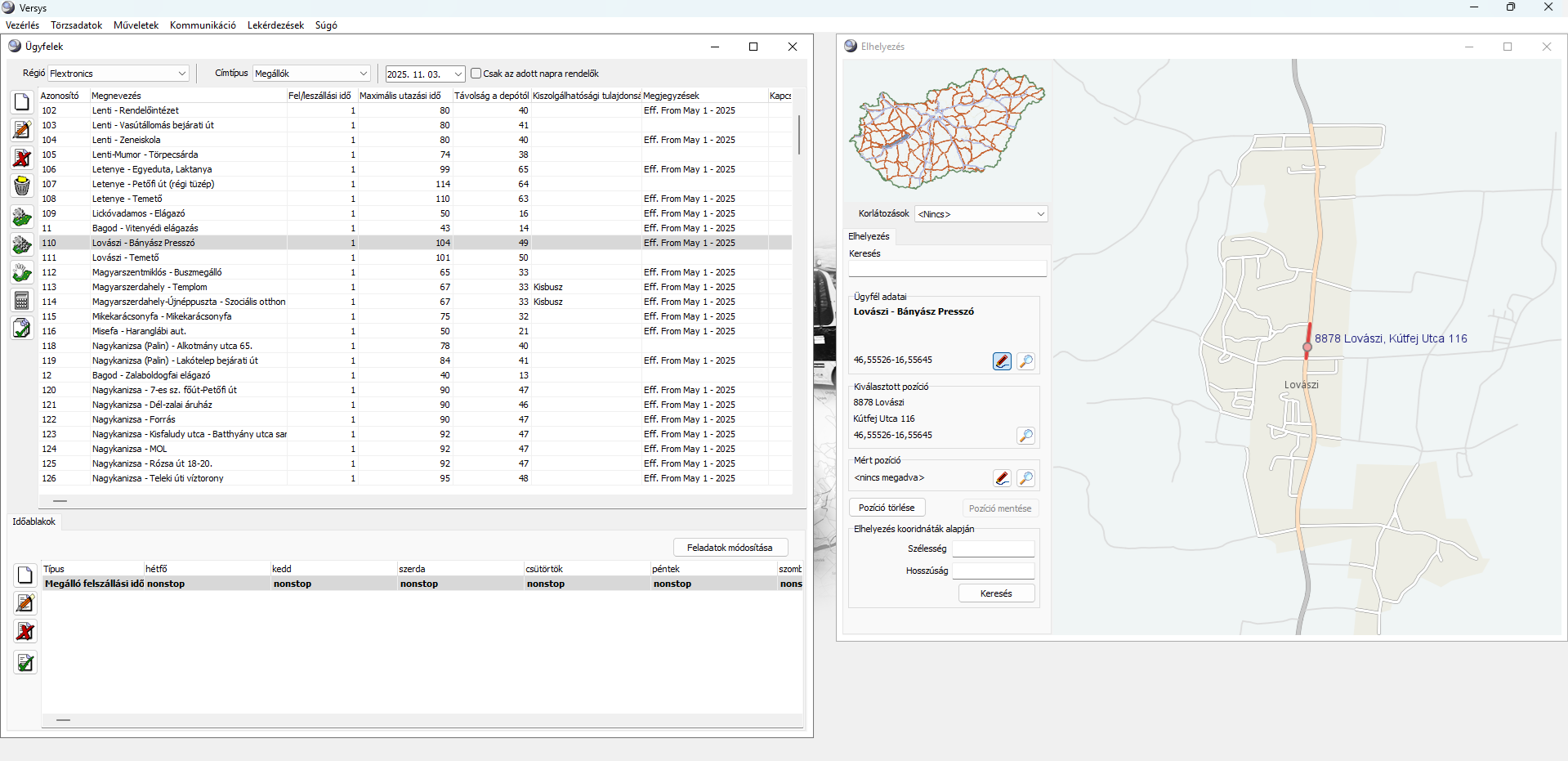
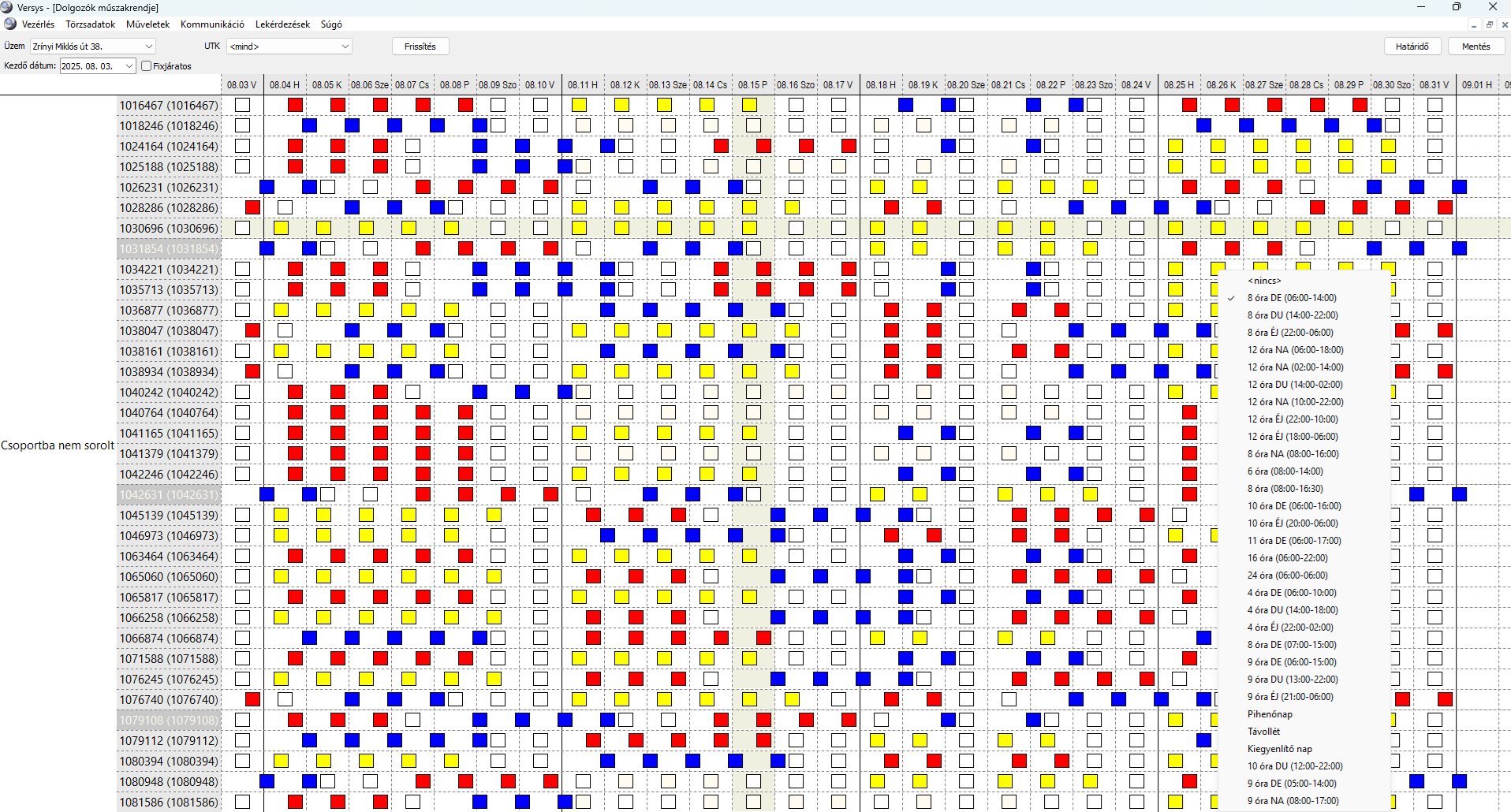
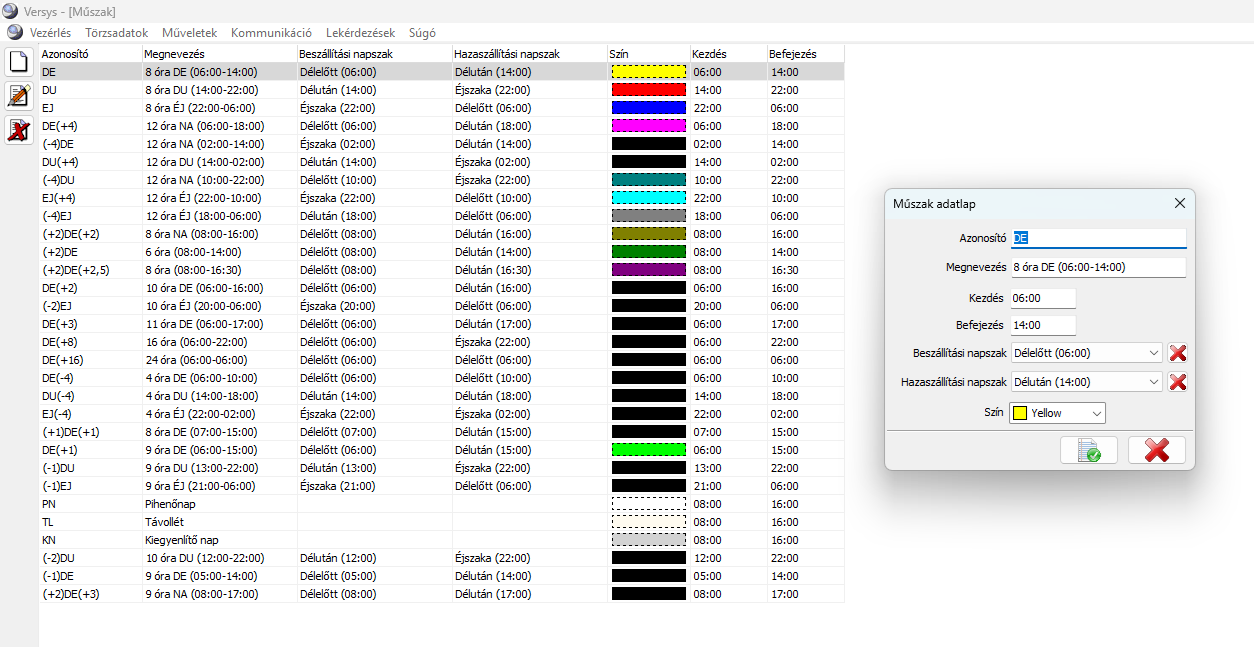
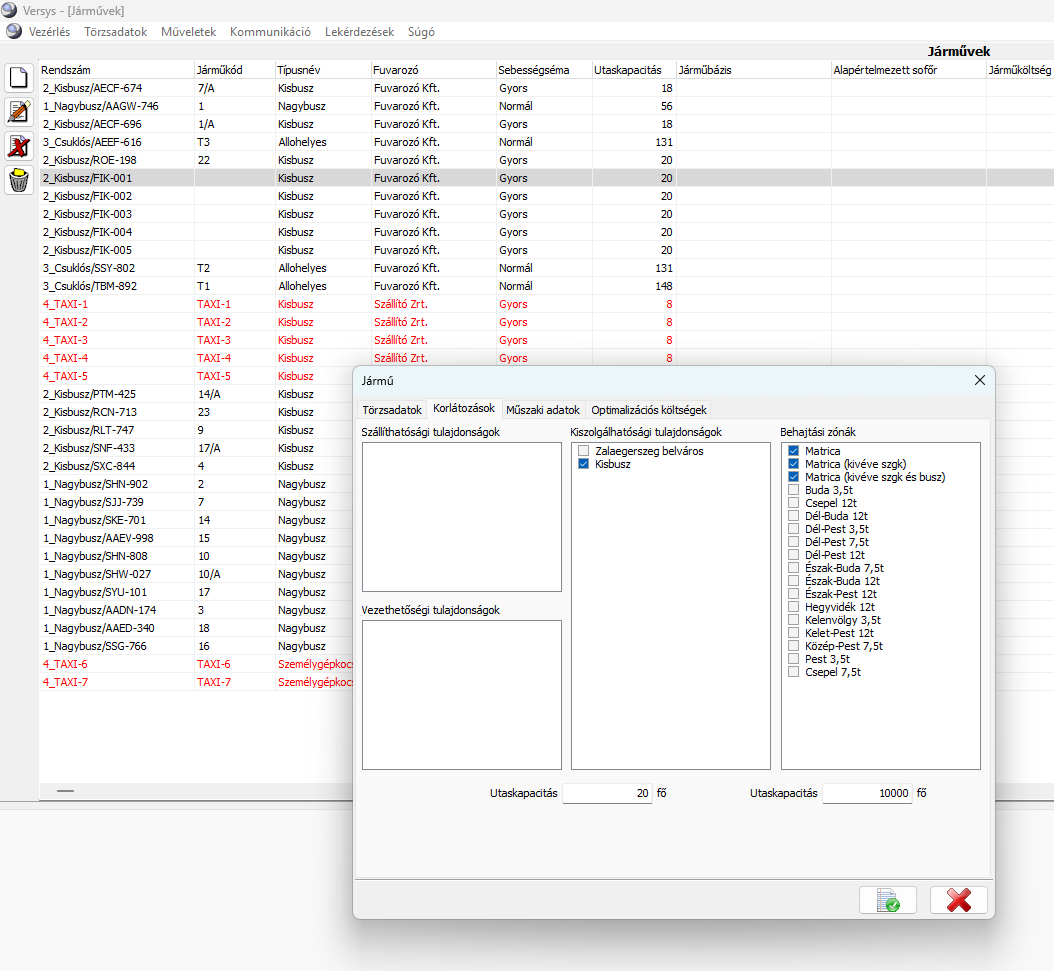
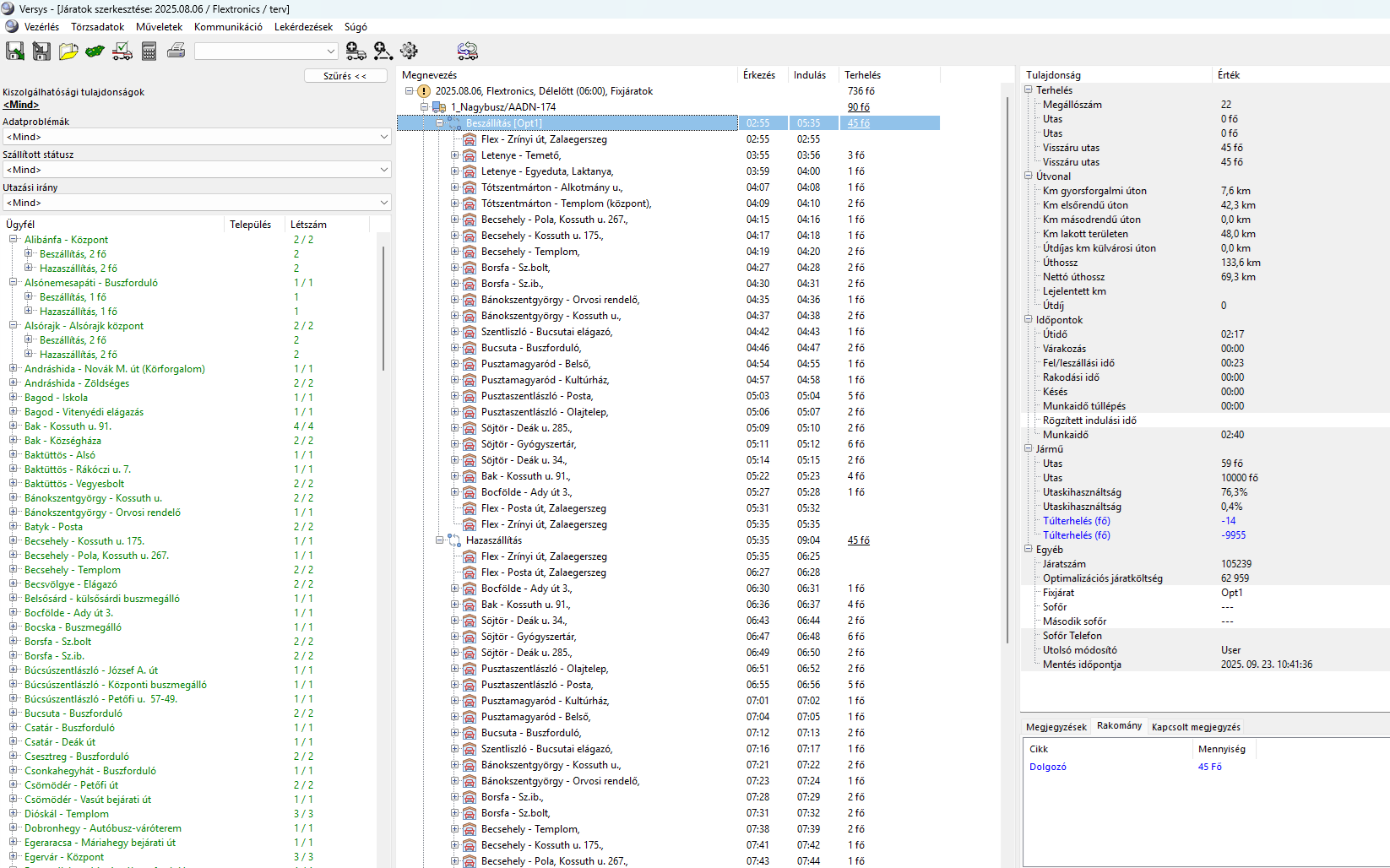
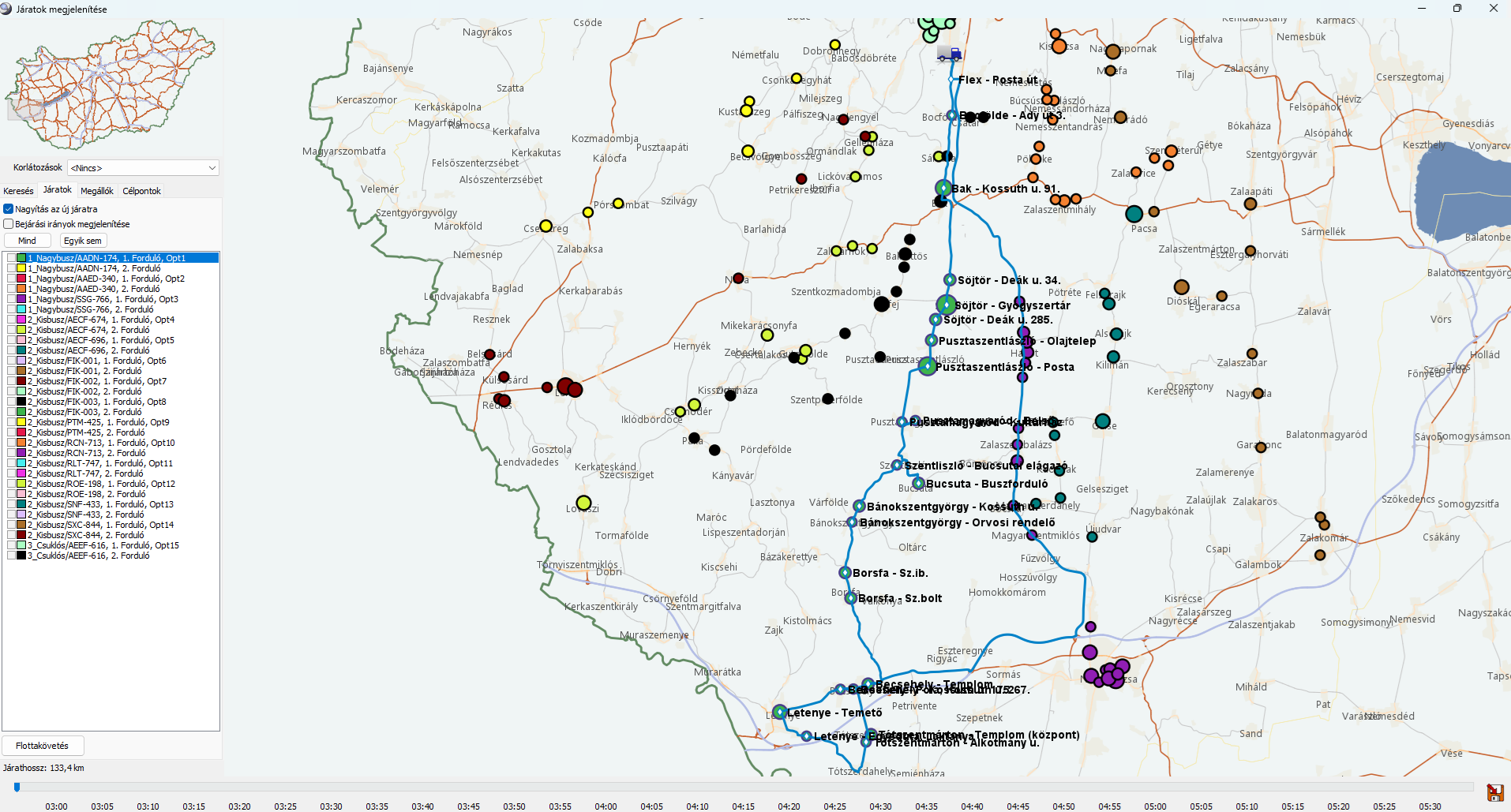
Worker transport - User interface